Transform Your Outdoor Space: Tips From a Professional Landscaper
Upgrading an outdoor space requires thoughtful planning and evaluation. An experienced landscape designer emphasizes the necessity of assessing current landscape elements and identifying distinct spaces for multiple functions. Adding hardscape features can enhance the functionality of the space. Moreover, picking suitable greenery and light fixtures can substantially shape the entire aesthetic feel. Grasping these key components is vital. What steps should one take to effectively bring their vision to life?
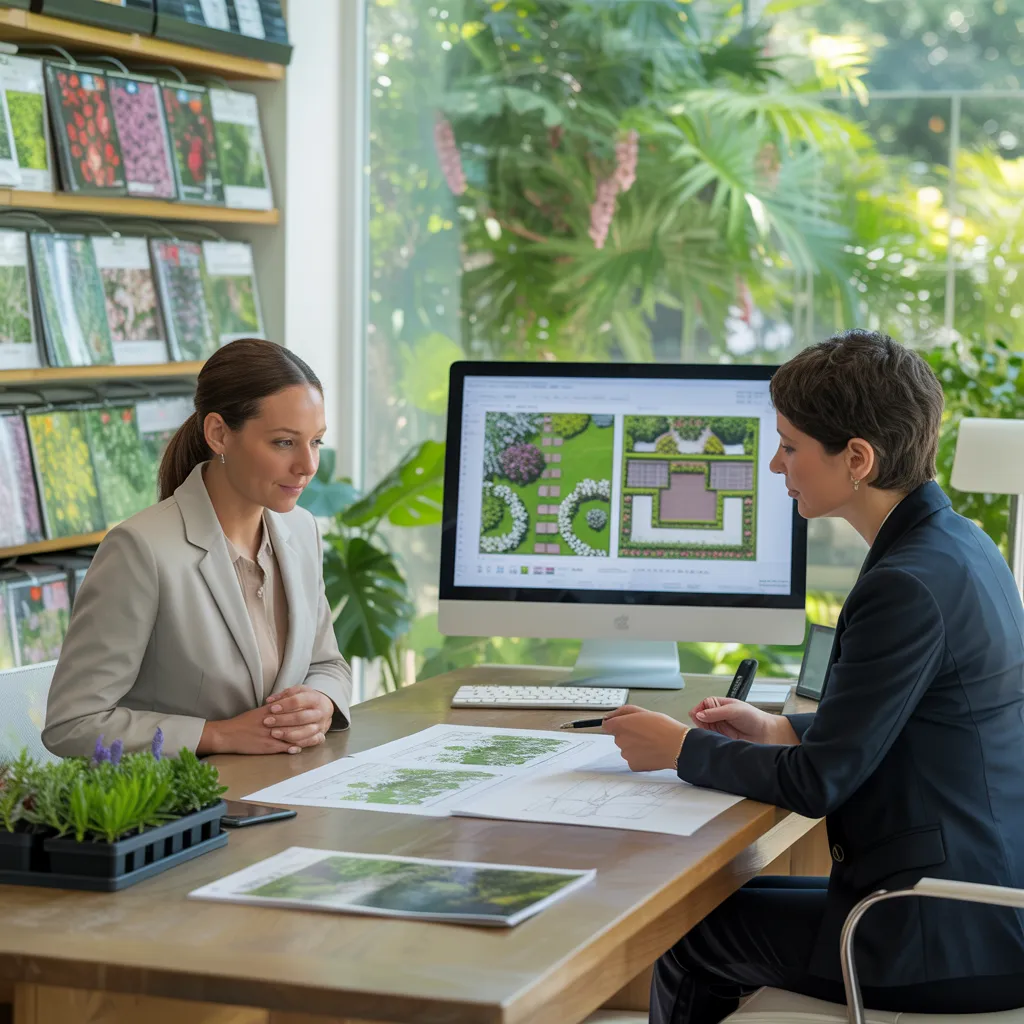
Assess Your Outdoor Space: Identify Key Changes to Make
How can one effectively evaluate an outdoor space to identify necessary changes? To begin, a comprehensive assessment of the space is necessary. This involves assessing the practicality of current elements like walkways, seating areas, and illumination. Studying how these features function in relation to each other can highlight areas for development. Additionally, one should consider the overall condition of plants and landscaping materials, noting areas that may require maintenance or replacement.
Next, assessing the functionality of the area is vital. Are there zones for relaxation, entertainment, or gardening? Pinpointing neglected zones can uncover possibilities for development. Key environmental elements, including sun exposure and water drainage, should likewise be evaluated, as they determine plant health and overall enjoyment.
As a final step, collecting input from family and regular guests can provide valuable insights. By combining personal observations with external input, a detailed plan can be established for transforming the outdoor space effectively.
Establish Your Vision: Choosing the Right Aesthetic for Your Yard
Choosing the perfect look for a outdoor space commences with identifying one's own preferences. Exploring different landscaping styles can assist people create a setting that aligns with their vision and suits their requirements. By deliberately evaluating these aspects, individuals can turn an garden space into a unified and appealing retreat.
Discover Your Preferences
When establishing the design of a garden, one should take into account individual tastes and the intended visual appeal. This process begins with copyrightining one's own sensibilities, whether drawn to modern minimalism, rustic charm, or vibrant tropical themes. A thorough evaluation of hues, vegetation varieties, and outdoor elements can help shape decisions aligned with the desired vision. Furthermore, important factors including climate, maintenance levels, and available space must be factored into choices. Reflecting on how the garden will be used—whether for hosting guests, unwinding, or cultivating plants—serves to clarify design preferences. Ultimately, identifying these elements creates a unified design that improves the outdoor environment while expressing the owner's character and way of life, establishing the basis for a genuinely individualized outdoor sanctuary.
Discover Garden Themes
Discovering outdoor garden concepts enables home dwellers to create a distinct outdoor aesthetic that reflects their individual style and habits. A range of styles, such as cottage, modern, or Mediterranean, offer unique elements that can be tailored to specific desires. A charming cottage-inspired garden, known for its relaxed design and varied plant selections, radiates charm and warmth. On the other hand, a contemporary outdoor space highlights comprehensive guide structured layouts and restraint, frequently featuring hardscaping and contemporary materials. Mediterranean themes inspire a sense of tranquility, incorporating hardy plants and rich, warm tones. In choosing a garden style, home dwellers should consider factors such as environmental conditions, care demands, and aesthetic preferences. Ultimately, a thoughtfully chosen landscape style not only enhances the visual appeal and simultaneously develops a unified exterior environment that expresses the homeowner's identity.
Introduce Hardscaping for Structure
To elevate the general appeal of an outdoor environment, adding hardscaping components delivers fundamental structure and harmony. Hardscaping encompasses the non-living elements such as patios, walkways, retaining walls, and decorative stones that establish distinct areas within the landscape. These components support both usability and beauty, directing foot traffic and creating focal points.
For instance, a strategically positioned stone pathway can direct people through a garden, while a raised patio can act as an outdoor living area, offering a clear transition from the home to the yard. Additionally, including materials like brick, pavers, or natural stone can improve the visual appeal and durability of the space.
Incorporating hardscaping not only minimizes maintenance by minimizing grassy areas but also allows for creative designs that showcase personal taste. In the end, these components lay the groundwork for a harmonious outdoor space, integrating naturally with the surrounding landscape.
Pick the Best Plants for Your Climate
When picking plants for outside environments, understanding the local climate is vital. This understanding facilitates the identification of locally suited plants, which are frequently hardier and more suited to local conditions. By choosing the right species, landscapers can boost their outdoor space's longevity and attractive qualities.
Assess Your Local Climate
Grasping the surrounding climate conditions is essential for identifying suitable plants, as it greatly affects their development and longevity. Variables such as temperature ranges, humidity, precipitation, and light availability are key determinants in establishing which plants prosper. To illustrate, zones with scorching summers and moderate winters may favor drought-resistant species, while regions receiving abundant precipitation might sustain water-dependent plant species. Gardeners should also factor in seasonal transitions and microclimate conditions within their planting area, as these can significantly influence the success of plants. By studying local weather patterns precisely, individuals can establish a individualized growing strategy that not only improves visual beauty but also encourages an enduring and flourishing garden ecosystem. This approach leads to stronger plants and decreased upkeep requirements.
Benefits of Native Plants
Selecting native plants for a garden corresponds perfectly with the insights gained from copyrightining the local climate. These plants are adapted to local conditions, requiring less water, fertilizer, and maintenance compared to non-native species. They thrive in specific soil types and weather patterns, fostering healthier ecosystems. Furthermore, native plants draw in local pollinators, such as bees and butterflies, which are critical to biodiversity. When including native species, homeowners can establish sustainable landscapes that support wildlife while enhancing the aesthetic value of their outdoor spaces. Beyond that, these plants often exhibit resilience against pests and diseases prevalent in the area, reducing the need for chemical interventions. At its core, selecting native plants cultivates a harmonious relationship between the garden and its surrounding environment.
Create Ambiance With Outdoor Lighting
Setting the perfect mood with exterior lighting can transform any space into a cozy retreat. Carefully positioned lighting can highlight architectural features, pathways, and gardens, elevating the visual appeal. Subtle, warm light is excellent for crafting a hospitable environment, while string lights or lanterns can bring a charming element to exterior entertaining.
Specialists advise using layered lighting to create visual depth. As an illustration, pairing ambient lighting with task and accent lights can achieve a harmonious lighting effect. Incorporating motion sensor lighting boosts safety while also providing functional illumination.
In addition, using dimmers allows for flexibility, allowing changes to be made depending on the occasion. Solar lights are an eco-friendly option that demands little upkeep, rendering them perfect for diverse outdoor areas. Ultimately, strategic outdoor lighting not only increases safety but also invites relaxation and social interaction, making any outdoor area more enjoyable.
Transform Your Space: Styling Tips to Enhance Your Garden
Garden settings can be truly enhanced by incorporating personal elements that express unique personality. Including special outdoor embellishments, such as ornamental figures or wind chimes, can develop eye-catching features that attract notice. Picking vivid planters or stylish pots infuses lively color, while decorative trellises dressed with climbing flora create stunning vertical displays.
Tailored seating zones, incorporating cushions in diverse designs and fabrics, encourage rest and social interaction. Outdoor walkways lined with charming stones or natural pebbles can direct visitors throughout the garden, enhancing the overall experience.
Including elements like decorative birdhouses or pollinator feeders brings in wildlife and introduces a charming aesthetic. In addition, incorporating seasonal decorations, such as autumn gourds or spring flowers, keeps the garden feeling fresh and engaging throughout the year.
Maintain Your Oasis: Key Care Tips for Enduring Beauty
Keeping up a garden oasis demands steady maintenance to ensure its charm lasts through the year. Frequent watering is necessary, particularly during dry periods, guaranteeing that plants obtain sufficient moisture without becoming waterlogged. Spreading mulch around plants helps retain moisture and control weeds, contributing to a stronger garden. Cutting back is a vital responsibility; it encourages growth and clears away damaged branches. Nourishing plants should be done according to plant needs, providing necessary nutrients for stunning blooms and rich foliage.
Weed control is critical; taking preventive measures reduces resource competition. Seasonal inspections can identify pests or diseases early, allowing for timely intervention. In addition, essential lawn upkeep practices like mowing and aeration help achieve a refined and well-kept look. By applying these important lawn care practices, a yard can flourish beautifully, becoming a timeless retreat that brings joy and beauty for years ahead.
Make Full Use of Your Outdoor Space in the Evening
How does one fully experience a garden area when night arrives? Proper lighting transforms the ambiance, showcasing landscape details and creating inviting pathways. Subtle, warm fixtures can enhance the beauty of trees and plants, while decorative string lights bring a charming effect. Introducing lanterns or candlelight elevates the intimate ambiance, ideal for gatherings or quiet evenings.
In addition, incorporating fire pits or outdoor heaters increases versatility, enabling comfort and warmth throughout chilly nights. Auditory features, like gentle music or water features, are able to enrich the overall sensory experience, creating a more vibrant atmosphere.
Furniture choices also play a significant role; comfortable seating encourages relaxation and social interaction. As a final touch, include night-blooming plants to bring both scent and visual charm to the space after sunset. Through careful attention to these details, one can craft a captivating outdoor retreat that comes alive in the evening, welcoming discovery and delight well after the sun goes down.
Frequently Asked Questions
What Is the Best Way to Budget for a Landscaping Project?
To budget for a landscaping project, it is important to assess the desired features, gather quotes from professionals, factor in materials and labor costs, and set aside a contingency fund for unexpected expenses along the way.
When Are the Best Times of Year for Landscaping?
The ideal times for landscaping are usually fall and early spring. In these seasons, temperatures are moderate, permitting plants to take root ahead of winter cold or summer warmth, promoting healthier growth and optimal outcomes for your landscaping endeavors.
Can I Handle Landscaping Myself or Should I Hire a Professional?
Homeowners may decide to handle landscaping on their own or work with a professional landscaper, according to their expertise, schedule, and scope of work. Assessing one's skills and goals generally guides the most suitable approach for completing landscaping work.
How Can I Select the Best Landscaper for My Project?
To select the ideal landscaping professional, individuals should evaluate portfolios, check references, evaluate experience, and guarantee alignment with the project vision. Furthermore, gathering multiple quotes can be useful in gauging pricing and available services for well-informed decision-making.
Which Common Landscaping Mistakes Should I Watch Out For?
Typical landscaping mistakes consist of planting too densely, overlooking soil quality, disregarding local climate, neglecting maintenance needs, and failing to account for growth. Thorough research and careful planning can prevent these issues and lead to a thriving landscape project.